
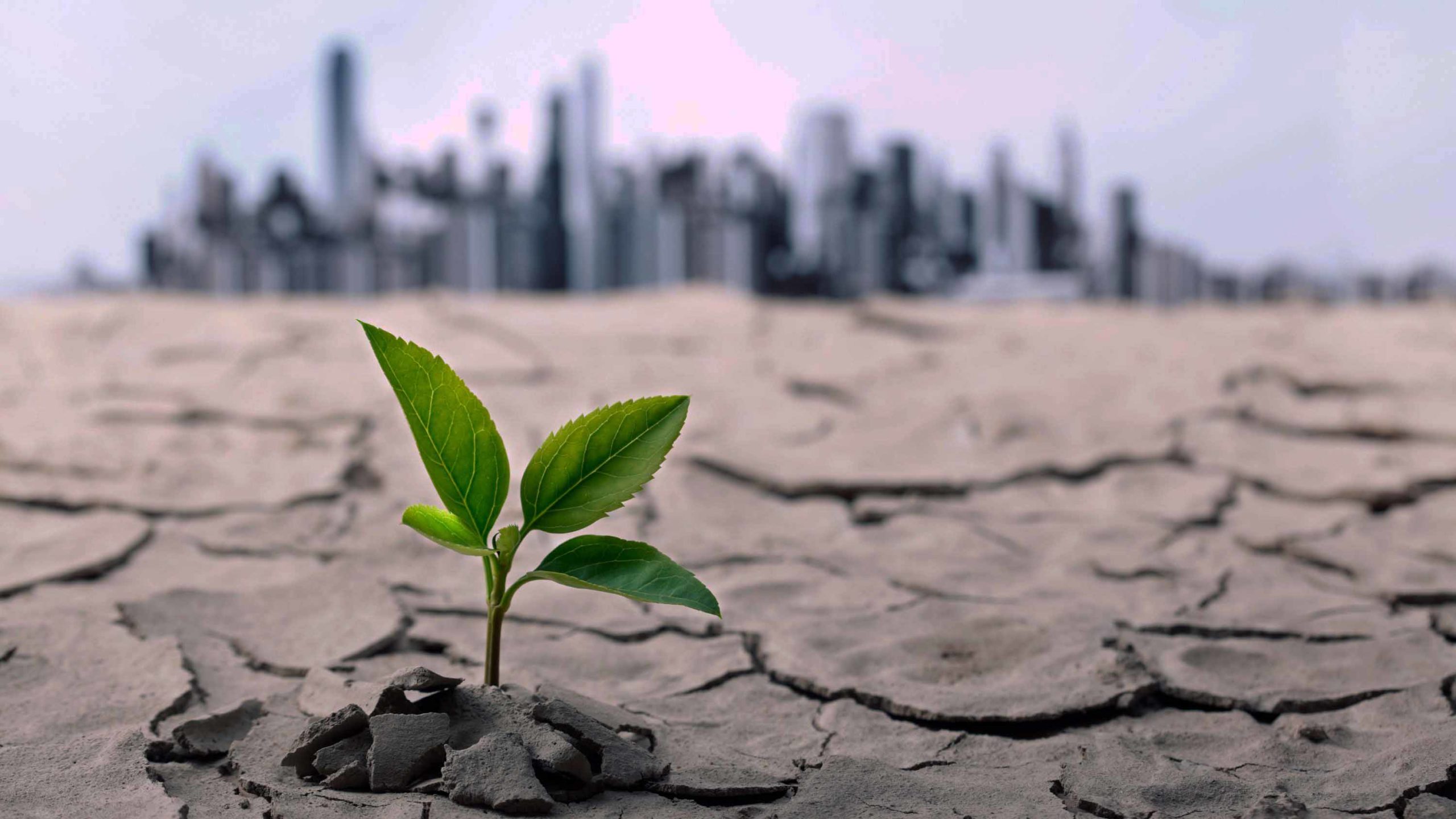
Climate change is moving tree populations away from the soil fungi that sustain them
As our planet warms, many species are shifting to different locations as their historical habitats become inhospitable. Trees are no exception—many species’ normal ranges are no longer conducive to their health, but their shift to new areas that could better sustain them has been lagging behind those of other plants and animals.
Now, scientists show that the reason for this lag might be found belowground. A study published in PNAS shows that trees, especially those in the far north, may be relocating to soils that don’t have the fungal life to support them.
Most plants form belowground partnerships with mycorrhizal fungi, microscopic, filamentous fungi that grow in the soil and connect with plant roots to supply plants with critical nutrients in exchange for carbon. Most large coniferous trees in northern latitudes form relationships with a kind of mycorrhizal fungi called ectomycorrhizal fungi.
“As we examined the future for these symbiotic relationships, we found that 35% of partnerships between trees and fungi that interact with the tree roots would be negatively impacted by climate change,” says lead author Michael Van Nuland, a fungal ecologist at the Society for the Protection of Underground Networks (SPUN).
The trees most at risk of this climate mismatch in North America are those in the pine family, find the authors. Areas of particular concern are the edges of species ranges where trees often face the harshest conditions. Here, the authors discovered that trees with higher survival rate in these locations have more diverse mycorrhizal fungi, a sign that these symbioses may be critical for helping trees withstand the effects of climate change.
“Ectomycorrhizal fungi have a different relationship to climate than ectomycorrhizal trees do,” says co-author Clara Qin, a data scientist at SPUN. “We are finding evidence that the trees have to answer for these differences.”
The study sheds light on how climate change might be affecting symbioses. “While we expect climate-driven migrations to be limited by abiotic factors like the availability of space at higher latitudes and elevations, we don’t usually account for biotic limitations like the availability of symbiotic partners,” says Qin.
“It’s absolutely vital that we continue to work to understand how climate change is affecting mycorrhizal symbioses,” says Van Nuland. “These relationships underpin all life on Earth—it’s critical that we understand and protect them.”
Source: phys.org