GNPC faces overhaul amid global energy shift
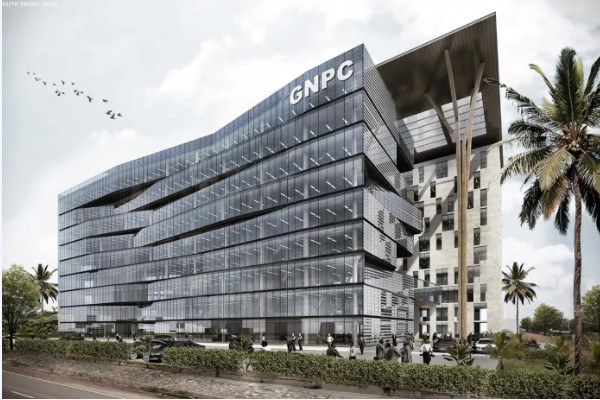
A report from the Public Interest and Accountability Committee (PIAC) indicates that the Ghana National Petroleum Corporation (GNPC) is in need of an overhaul amid the seismic shift toward sustainability in the global energy landscape.
PIAC, in its latest issue paper, has noted the unprecedented pressures faced by National Oil Companies (NOCs) worldwide amid the energy transition, stating: “The energy transition poses an existential threat to NOCs, as it could reduce the demand and value of their core products, expose them to environmental, social and governance (ESG) risks and liabilities, and undermine their competitive advantage and market share”.
This transition, characterised by a move away from fossil fuels to cleaner energy sources, poses existential challenges to traditional oil players like GNPC, PIAC says.
The call for change, specifically diversification, is driven by the outdated nature of the current legislation governing GNPC, which is nearly four decades old. In addition to PIAC, experts assert that it is essential to review and amend the law to align with contemporary industry standards and practices.
Against this backdrop, PIAC recognises that GNPC’s role has evolved significantly since its inception, transitioning from a mere prospecting entity to a key commercial player in the burgeoning petroleum sector.
“After almost 40 years since its enactment, this law must be reviewed and amended to reflect the current role and international best practices of the industry. The review is also critical to direct and allow the NOC to be able to operate efficiently and effectively within the sector. GNPC’s role has evolved to become a key commercial player. It is expedient that the Law that established the Corporation be reviewed,” it stated.
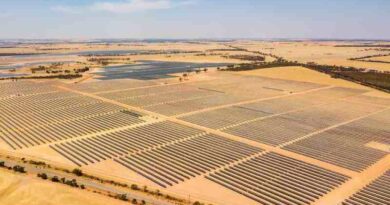
The proposed revision aims to strengthen GNPC’s core business operations while promoting diversification into renewable energy sectors.
This strategic shift aligns with global climate goals and would enhance the company’s environmental, social and governance (ESG) performance.
Furthermore, PIAC noted that delays in the disbursement of funds from the Petroleum Holding Fund (PHF) to GNPC have hindered the corporation’s ability to meet its financial obligations.
It said despite statutory obligations mandating prompt payments, bureaucratic hurdles have often led to significant delays, impacting GNPC’s operational efficiency and cash flow.
Moreover, it argued that GNPC’s financial health has been further strained by its role in quasi-fiscal expenditures, where it has extended guarantees and made payments on behalf of the government and other state-owned entities.
In light of this, PIAC called for urgent action to address these financial burdens, emphasising the importance of GNPC focusing on its core mandate and development objectives.
Amid GNPC’s preparation for a future devoid of PHF support after 2026, PIAC’s issue paper stressed the importance of strategic planning and collaboration with the government and other stakeholders.
“One way for GNPC to be more resourceful, financially, while promoting autonomy and flexibility, is for the government to desist from imposing additional responsibilities and obligations on the corporation.
“An additional way to ensure secured funds is for the NOC to communicate and collaborate with the state and other stakeholders, such as regulators, investors, customers, employees, suppliers and communities, to align their expectations and interests, and to secure their support and participation,” the paper stated.
“While at this, the corporation also needs to advocate and influence the policies and regulations that affect its transition, and to demonstrate their contribution and value to society and the economy,” it concluded.
Source: thebftonline.com